
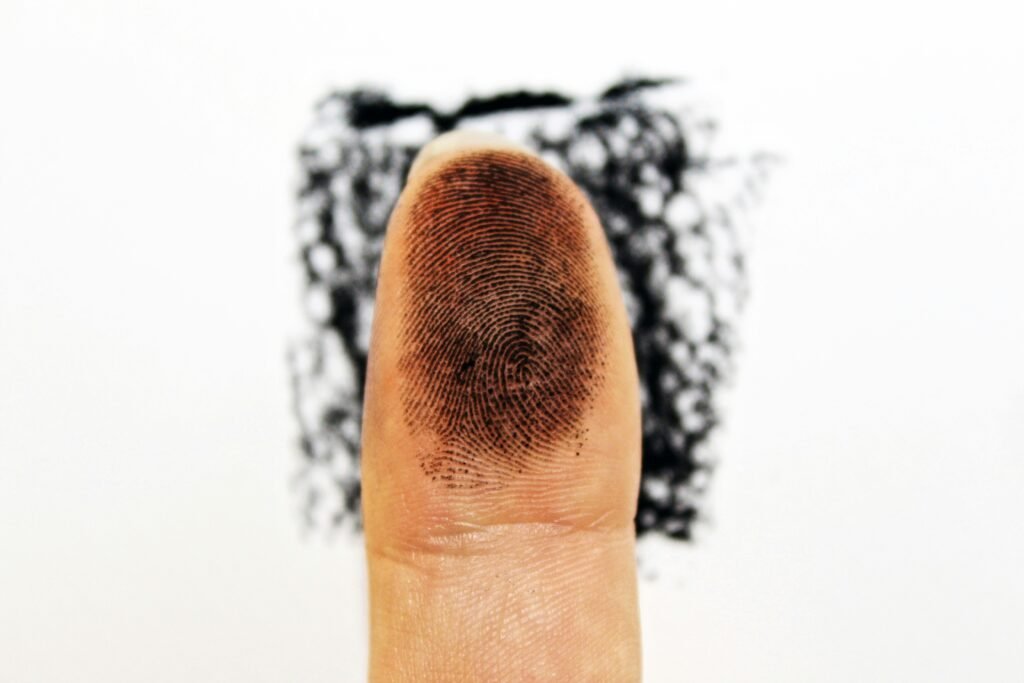
The Importance of Fingerprinting in Today’s Technological Landscape
In recent years, fingerprinting technology has emerged as a cornerstone for identification and verification processes across various sectors. As organizations navigate the complexities of security and compliance, the significance of reliable identification methods cannot be overstated. Fingerprinting, in this context, serves as a robust solution that addresses the evolving demands of both public and private entities.
The integration of express fingerprinting systems has considerably enhanced the efficiency of verification processes. By utilizing advanced biometric data, organizations can authenticate individuals swiftly and accurately. This has become particularly crucial in environments where security is paramount, such as government institutions, healthcare facilities, and educational establishments. In these settings, ensuring the rightful access to information and resources is intensified by the increasing necessity to comply with regulatory standards.
The growing emphasis on digital security has also led to the widespread adoption of fingerprinting solutions for user authentication in online platforms. With an upsurge in identity theft and cyber threats, traditional password systems have proven to be inadequate. As a result, fingerprinting technologies are being integrated into mobile devices and applications, allowing users to access sensitive information securely. Employing express payment systems that leverage fingerprinting can significantly streamline transactions, making them not only more secure but also notably efficient.
Moreover, the application of fingerprinting technology extends beyond security measures. It plays a fundamental role in employee verification, ensuring that the workforce is authenticated and compliant with established protocols. As the demand for effective and efficient identification methods continues to rise, fingerprinting technology will undoubtedly remain a pillar of modern organizational strategies.
Understanding Express Fingerprinting
Express fingerprinting refers to an expedited process of capturing and processing fingerprint data for various applications, offering a significant increase in speed and efficiency compared to traditional methods. While conventional fingerprinting generally involves physical ink and manual submissions, express fingerprinting utilizes advanced technology to facilitate quick collection and digital transmission of fingerprint data. This ensures compliance with legal and regulatory requirements while minimizing the wait time associated with traditional fingerprinting.
The core advantage of express fingerprinting lies in its streamlined approach. The use of electronic fingerprint scanners enables immediate collection of high-quality biometric data, which can then be swiftly processed and submitted to relevant authorities. This modern technique not only reduces the duration of fingerprinting sessions but also enhances accuracy, thereby decreasing the likelihood of errors that may arise from manual methods.
Express fingerprinting has found its applications across various sectors, including law enforcement, employment verification, and background checks. For instance, in the realm of human resources, employers utilize this method to expedite the screening of potential hires, ensuring that they meet compliance standards when hiring employees in sensitive roles. Furthermore, express fingerprinting services are crucial for individuals seeking licensing for fields that require extensive background checks, such as healthcare and education.
As the demand for efficient and compliant background checks continues to grow in numerous industries, express fingerprinting is poised to become a standard practice. This innovative approach not only meets the evolving needs of organizations but also aligns with the increasing regulatory requirements surrounding fingerprint collection and processing. By understanding and utilizing express fingerprinting, businesses can ensure proper compliance while enhancing operational efficiency.
Key Benefits of Using Express Fingerprinting
Express fingerprinting has emerged as a vital solution in various sectors, aiming to enhance compliance and operational efficiency. One of the primary benefits of express fingerprinting is its remarkable speed. Traditional fingerprinting methods can be time-consuming, often requiring extensive paperwork and processing time. In contrast, express fingerprinting streamlines the process, enabling quicker processing and reducing the wait time for clients seeking background checks or similar services. This increased speed not only improves customer satisfaction but also allows organizations to make faster hiring decisions.
Accuracy is another significant advantage of express fingerprinting. With advancements in technology, modern fingerprinting systems have become highly sophisticated, offering superior precision in capturing and analyzing biometric data. These systems reduce the likelihood of errors that could arise from manual data entry or low-quality prints, ensuring that the results are reliable and trustworthy. Accuracy in fingerprinting is particularly crucial for industries that mandate strict compliance with regulatory standards, thereby minimizing the risk of non-compliance penalties.
The ease of use associated with express fingerprinting also cannot be overstated. Designed with user-friendliness in mind, these systems often incorporate intuitive interfaces that require minimal training for personnel. This accessibility mitigates the potential for operational bottlenecks caused by unfamiliarity with the technology. Furthermore, integrating express fingerprinting into existing workflows is straightforward, allowing organizations to harness its benefits without significant disruptions. Incorporating express payment options for these services not only enhances user experience but also ensures a seamless transaction process.
Conclusively, the key benefits of speed, accuracy, and ease of use make express fingerprinting an invaluable asset for organizations striving for operational excellence. As industries continue to emphasize the importance of compliance and efficiency, adopting express fingerprinting technologies will likely become increasingly common.
Compliance Considerations for Fingerprinting Technologies
As organizations increasingly adopt fingerprinting technologies, it is essential to understand the compliance and legal implications involved. The deployment of fingerprint-based solutions, particularly express fingerprinting services, demands adherence to specific data protection laws and regulations. In many jurisdictions, legislation such as the General Data Protection Regulation (GDPR) in Europe and various state laws in the United States govern the collection, storage, and processing of biometric data.
Organizations that utilize fingerprinting technologies must prioritize protecting individuals’ privacy rights. They must implement stringent data security measures, ensuring that the personal information collected during the fingerprinting process is safeguarded against unauthorized access or breaches. It is necessary to conduct thorough risk assessments and have protocols in place that outline how biometric data will be handled.
Furthermore, transparency is critical in compliance considerations. Organizations are advised to inform individuals about the purpose of data collection, how their fingerprint data will be used, and the extent of its sharing with third parties. Consent must be obtained explicitly before collecting this sensitive information, and individuals should be informed of their rights to withdraw consent at any time.
Additionally, organizations must stay updated with evolving regulations related to fingerprinting and biometric data to ensure ongoing compliance. Regular compliance training for employees involved in the fingerprinting process can help reinforce these practices and ensure that all personnel understand the legal responsibilities tied to fingerprinting technologies. By adhering to these compliance considerations, organizations can not only fulfill their legal obligations but also foster trust with their clients.
Best Practices for Implementing Express Fingerprinting Solutions
Implementing express fingerprinting solutions effectively requires a comprehensive understanding of both technology and regulatory compliance. Organizations should first conduct a thorough assessment of their specific needs and the regulatory landscape surrounding fingerprinting procedures. This evaluation helps in identifying which express fingerprinting solutions align with compliance requirements while meeting operational goals.
One crucial practice is to prioritize quality equipment and technology. High-quality fingerprinting devices are essential for capturing accurate fingerprints, which reduces errors and enhances efficiency in processing. It is advisable to partner with reputable vendors who specialize in express fingerprinting technology, ensuring that the products meet industry standards and regulations.
Training staff on the new express fingerprinting protocols is another important step. Employees must be well-versed in operation procedures and the legal aspects associated with fingerprinting. Providing comprehensive training sessions can enhance employee confidence in using the technology and adherence to best practices, which ultimately assures compliance and reduces the risk of data breaches.
Furthermore, organizations should develop a clear process for handling and storing fingerprint data. Implementing robust data security measures is essential to safeguard sensitive information. Ensure that any express payment solutions integrated with fingerprinting are also compliant with standards such as PCI DSS, protecting against potential threats.
Lastly, regular audits and reviews of the express fingerprinting processes are beneficial. Periodically reassessing systems and compliance with current regulations allows organizations to adapt quickly to changes in legal requirements or technology. By implementing these best practices, organizations can optimize their express fingerprinting initiatives while maintaining compliance and operational efficiency.
Common Challenges and Solutions in Fingerprinting Compliance
Fingerprinting compliance can present several challenges for organizations, particularly regarding technological adoption, integration with existing systems, and adherence to regulatory frameworks. One of the most common hurdles is ensuring that the fingerprinting technology utilized meets both legal standards and operational requirements. Organizations must navigate a complex legal landscape that varies by jurisdiction, which often leads to confusion and inconsistency in compliance measures.
Another significant challenge involves the variability in fingerprinting technology capabilities. Traditional methods may yield inconsistent results, and without a reliable solution, organizations may encounter discrepancies that hinder compliance. To address this issue, organizations can invest in express fingerprinting solutions that offer improved accuracy and efficiency, thereby minimizing errors and ensuring compliance with existing regulations.
Security concerns are also paramount when dealing with fingerprinting data. Organizations often face risks related to data breaches or unauthorized access to sensitive information, which can severely impact their compliance standing. Implementing robust security protocols, including encryption and access controls, will significantly mitigate these risks. Additionally, organizations should continuously monitor and audit their systems to identify potential vulnerabilities and address them proactively.
Training and education play a crucial role in overcoming compliance challenges as well. Employees must be familiar with the intricacies of fingerprinting processes and understand their obligations under relevant laws. Conducting regular training sessions and keeping staff updated on the latest developments in fingerprinting technology and compliance best practices can support a more informed workforce.
In conclusion, while challenges in fingerprinting compliance are prevalent, organizations can adopt specific strategies and solutions to navigate these issues effectively. By investing in technology, enhancing security measures, and ensuring continuous training, organizations can significantly improve their compliance outcomes in the realm of fingerprinting.
Success Stories of Express Fingerprinting Implementation
Various organizations across different sectors have successfully implemented express fingerprinting solutions, illustrating the efficiency and compliance benefits associated with this technology. One notable example is a large healthcare provider that faced challenges in streamlining their employee onboarding process. Prior to adopting express fingerprinting, the organization struggled with lengthy background checks, which delayed the hiring of qualified personnel. By integrating express fingerprinting into their recruitment workflow, they reduced the screening process to a matter of days. This increased their hiring rate while ensuring compliance with healthcare regulations.
Another success story originates from a financial institution that needed to enhance its client onboarding experience without compromising security. They adopted express fingerprinting technology, allowing customers to submit their biometric data swiftly during the application process. By enabling an express payment option linked to the fingerprinting system, the institution not only expedited account opening but also decreased fraud instances. The seamless integration of this technology has since been a benchmark for other financial services looking to improve their operational efficiency.
A vital success case can also be seen in a law enforcement agency that utilized express fingerprinting for suspect identification. Implementation of this system allowed for real-time processing of fingerprints, significantly cutting down investigation times. Although the transition faced initial resistance due to the adjustment in traditional methods, the eventual adoption has been met with positive feedback. Officers noted improved accuracy and speed in their investigative processes, leading to a marked increase in case closures.
These examples demonstrate that express fingerprinting not only enhances efficiency and compliance within various organizations but also plays a critical role in resolving the unique challenges faced in their operations. From healthcare to finance and law enforcement, the successful implementation of fingerprinting systems showcases the transformative potential of modern technologies in meeting complex demands.
The Future of Fingerprinting Technology
As we look towards the future, the landscape of fingerprinting technology is poised for significant transformation, driven by rapid advancements in biometric systems. These innovations promise to enhance the effectiveness and efficiency of identification processes across various sectors, including security, healthcare, and finance. Emerging trends indicate that the demand for express fingerprinting services is expected to increase, as organizations seek streamlined modes of compliance that also ensure stringent identity verification.
One of the prominent developments in the realm of fingerprinting is the integration of artificial intelligence (AI) with biometric systems. AI can improve the accuracy of fingerprint recognition, minimizing false positives and negatives. This increased reliability will be crucial, particularly in environments that demand high-stakes security and compliance, such as airports and government agencies. Furthermore, the adoption of AI may facilitate the evolution of express fingerprinting technologies, allowing users to complete their fingerprint submissions more swiftly through automated systems.
Moreover, advancements in mobile fingerprinting technology are on the rise. With more individuals working remotely and seeking convenience, portable fingerprinting solutions are becoming increasingly popular. These systems enable express payment options via mobile platforms, thereby facilitating real-time verification regardless of the user’s location. Enhanced scalability is another key advantage of mobile fingerprinting, allowing businesses to accommodate fluctuating demands without compromising on the integrity of their compliance practices.
As we progress, the integration of additional biometric systems, such as facial recognition and iris scanning, may complement traditional fingerprinting methodologies. This multifaceted approach will likely create a seamless user experience, laying the groundwork for future applications that are not only efficient but also highly secure. The evolving landscape of fingerprinting technology signifies a period of exciting change, positioning businesses to better meet regulatory requirements while advancing their operational capabilities.
Conclusion: The Significance of Embracing Express Fingerprinting
The adoption of express fingerprinting technology represents a significant advancement in the fields of security and compliance. Organizations that incorporate express fingerprinting into their operations can experience notable improvements in their efficiency and reliability of identification processes. The importance of utilizing this technology cannot be overstated, especially as the landscape of security threats continues to evolve.
Express fingerprinting, with its capability for swift and accurate identification, is ideal for organizations looking to enhance their compliance with regulatory standards. This approach not only ensures that users are thoroughly vetted but also streamlines processes, enabling organizations to execute express payments and other transactions with newfound confidence. Furthermore, the integration of colodado systems into this framework allows for a seamless transition that bolsters security while simplifying user experience.
Moreover, the ability of express fingerprinting to decrease processing times means that organizations can handle larger volumes of requests without compromising the quality of security measures in place. The balance it provides between operational efficiency and compliance is crucial in today’s fast-paced environment. Thus, it is essential for businesses aiming to remain competitive and secure to consider fully embracing express fingerprinting technologies.
By investing in express fingerprinting systems, organizations not only enhance their security protocols but also build trust with clients and stakeholders, who increasingly prioritize transparency and reliability. Overall, the significance of embracing express fingerprinting is clear; it is not merely a technological upgrade, but rather a fundamental shift towards future-proofing organizational capabilities in an increasingly demanding world.
